
Build a Career
in HVAC
In this accelerated, hands-on program, veterans will develop practical skills in heating, cooling, refrigeration, air distribution, electrical systems, and piping.
Program at a Glance
- Five weeks on UHP’s Northwest Arkansas campus
- Hands-on HVAC labs
- NCCER HVACR Level One curriculum planned
- Certification preparation
- Housing and meals provided
- Program launching in 2027

Build the skills the trade requires
The planned program will combine technical instruction with hands-on shop time across the systems, tools, and service practices used in HVAC work.
Heating Systems
Learn the purpose, operation, and core components of common heating systems.
Refrigeration and Cooling
Build an understanding of the refrigeration cycle and how cooling systems move and control heat.
Air Distribution
Develop familiarity with airflow, duct systems, ventilation, and the movement of conditioned air.
Basic Electricity
Learn the electrical principles, components, and testing practices used in HVAC-R systems.
Piping Practices
Practice working with copper, plastic, and carbon-steel piping used across heating and cooling systems.
Soldering and Brazing
Develop foundational joining skills used during HVAC-R installation and service work.
Every module is planned to pair classroom instruction with hands-on shop application and instructor feedback.
Training built around industry standards
- NCCER HVACR Level One
- Trade mathematics
- Heating systems
- Refrigeration and cooling
- Air distribution
- Basic electricity for HVAC-R
- Piping, soldering, and brazing
- Industry safety requirements
- Refrigerant-handling knowledge
- EPA Section 608 preparation, if finalized
- Additional credentials based on the approved cohort curriculum
- Entry-level HVAC roles
- Paid helper and apprenticeship opportunities
- Installation and service environments
- Facilities maintenance pathways
- Additional employer, licensing, or state requirements
Program curriculum, credentials, certification preparation, launch timing, and admissions requirements are still being finalized and may change before enrollment opens.
Train, live, and learn on campus
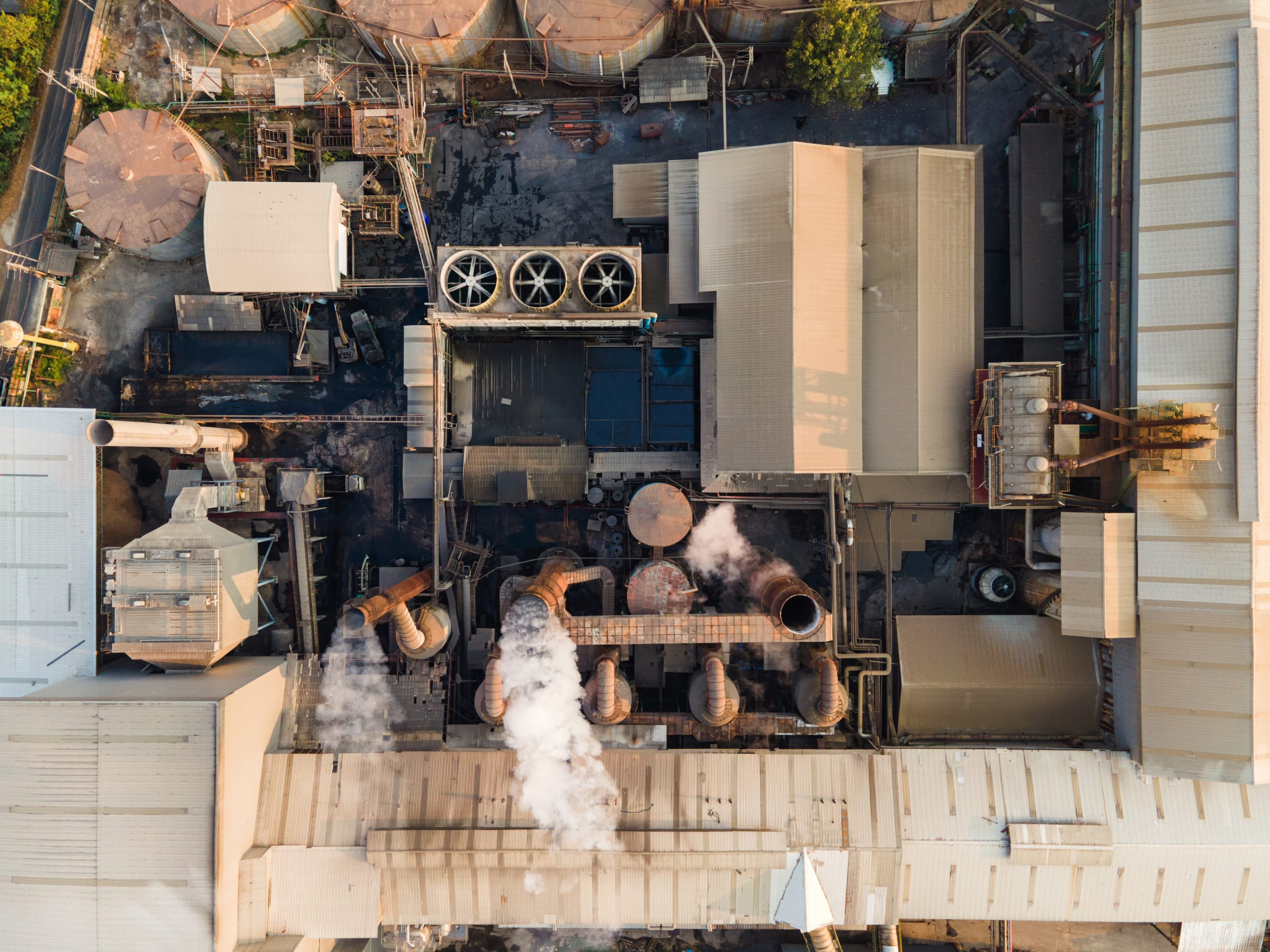
The planned program will take place on UHP’s Northwest Arkansas campus, with training, housing, meals, and daily support brought together in one immersive environment.
Five weeks of focused, practical training
The planned HVAC program will give veterans an immersive path through technical fundamentals, hands-on system training, certification preparation, and workforce readiness.
Core Safety & Trade Foundations
Build a foundation in jobsite safety, trade mathematics, tools, terminology, and HVAC system fundamentals.
Heating & Basic Electricity
Learn heating-system types, electrical principles, system components, and safe testing practices.
Refrigeration & Cooling
Develop an understanding of the refrigeration cycle, cooling systems, system operation, and core service concepts.
Air Distribution & Piping
Train in airflow, air distribution, copper and steel piping, soldering, brazing, and installation practices.
Application & Career Preparation
Reinforce technical skills through practical exercises, prepare for certification requirements, and build readiness for entry-level opportunities.
Final weekly sequencing may change as the curriculum is completed.
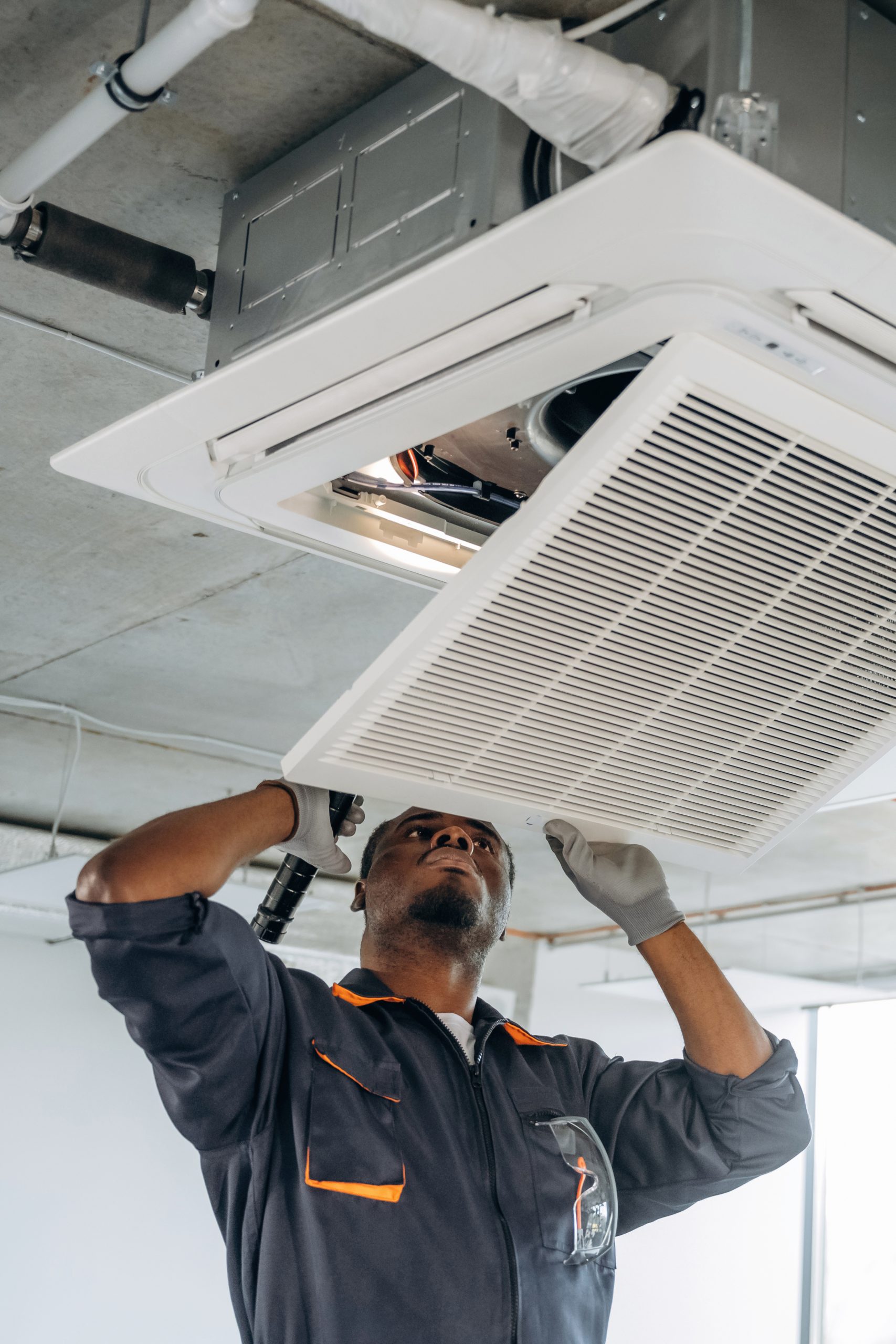
Careers powered by HVAC skills
HVAC skills support work across residential service, commercial facilities, industrial environments, refrigeration, construction, and building operations.
Installation
Help install heating, cooling, ventilation, and refrigeration systems in residential, commercial, and industrial settings.
Service and Repair
Inspect systems, diagnose problems, replace components, and support ongoing maintenance.
Facilities Maintenance
Support climate-control, mechanical, electrical, and building systems within large facilities.
Commercial Refrigeration
Work with refrigeration systems used in food service, retail, storage, and other temperature-controlled environments.
The BLS projects employment for HVAC mechanics and installers to grow about 8% from 2024 to 2034, with roughly 40,100 openings per year on average — attributed in part to construction activity and increasingly sophisticated climate-control systems.
Career opportunities depend on experience, credentials, licensing, location, employer requirements, and successful completion of any required certification or apprenticeship steps. Program completion will not guarantee employment.
Be the first to know when HVAC enrollment opens
Join the waitlist to receive program updates, projected cohort dates, eligibility requirements, credential details, and enrollment information as they become available.
HVAC questions, answered
Get ready for what comes next
Join the waitlist for updates on the HVAC-R program, credential pathway, cohort dates, and enrollment requirements.