
Build a Career
in Welding
This accelerated, hands-on program prepares veterans for opportunities in fabrication, construction, manufacturing, infrastructure, and repair by building welding fundamentals and developing real shop experience.
Program at a Glance
- Five weeks on UHP’s Northwest Arkansas campus
- Hands-on welding and metal-fabrication labs
- Process-based welding practice
- NCCER safety training
- Career preparation
- Housing and meals provided
- Zero-cost pilot cohorts currently available
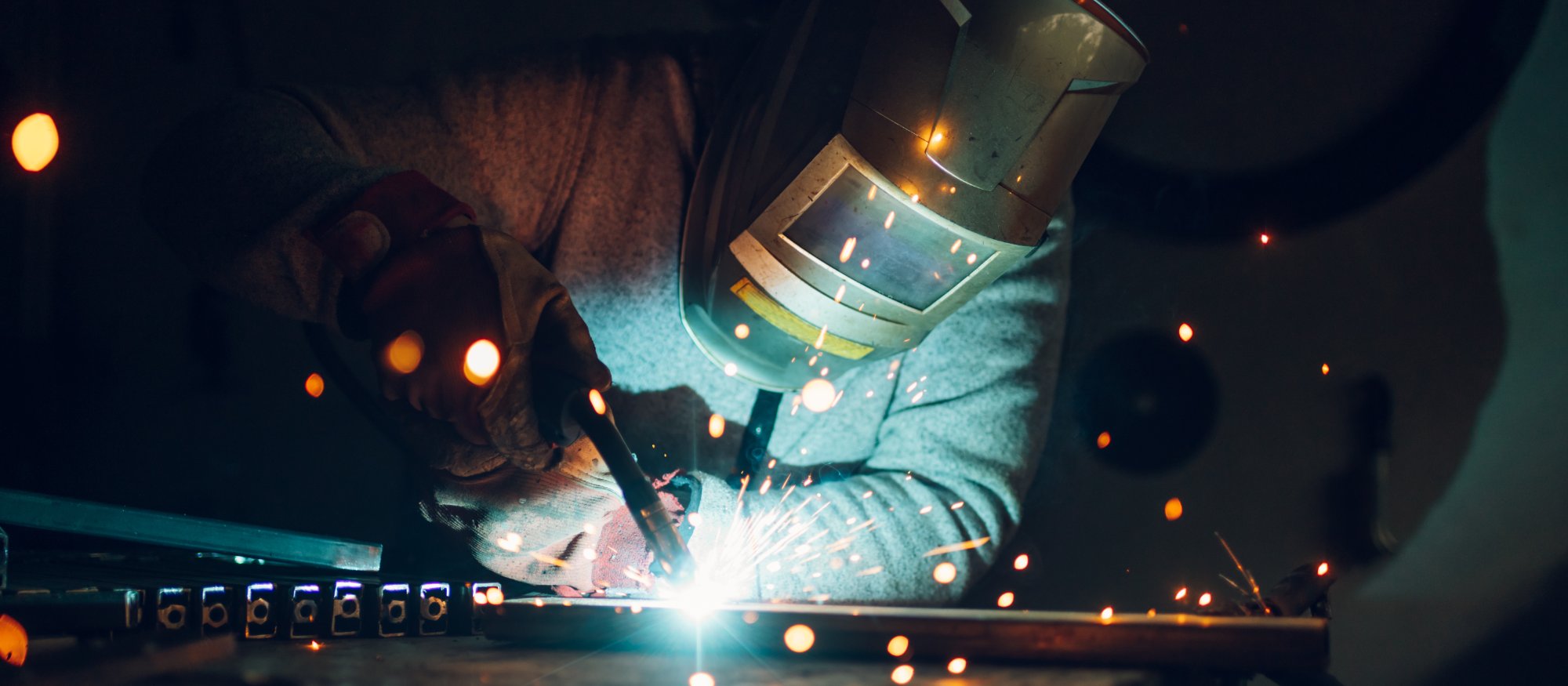
Build the skills the trade requires
Our program combines welding fundamentals, shop instruction, and repeated hands-on practice to help students build confidence with the tools, processes, and expectations of the trade.
Welding Fundamentals
Develop a working understanding of welding equipment, materials, terminology, setup, and core processes.
Shop Safety
Learn safe work practices, personal protective equipment, hazard awareness, and expectations within a welding environment.
Cutting and Material Preparation
Practice preparing metal using tools and processes such as oxyfuel and plasma cutting.
Shielded Metal Arc Welding
Build experience with machine setup, electrode selection, beads, fillet welds, groove welds, and open-root applications.
Blueprint and Weld-Symbol Reading
Develop familiarity with drawings, measurements, weld symbols, and instructions used to communicate fabrication requirements.
Weld Testing and Evaluation
Practice welds under conditions that familiarize students with the types of process-based tests employers may use.
Build a recognized training foundation
- NCCER Construction Site Safety Orientation
- UHP Welding program completion credential
- Welding fundamentals
- Shop safety and equipment setup
- Cutting and material preparation
- Shielded Metal Arc Welding practice
- Structural welding applications
- Blueprint and weld-symbol reading
- Mock weld tests
- Entry-level welding and fabrication opportunities
- Employer-specific weld testing
- Apprenticeship pathways
- Civilian employer conversations
- Additional process, employer, or local requirements
Welding qualifications frequently depend on the process, material, position, employer, and job requirements. Completion of the UHP program does not replace every employer-specific weld test, apprenticeship requirement, or local qualification.
Train, live, and learn on campus
The full program takes place on UHP’s Northwest Arkansas campus, with training, housing, meals, and daily support provided in one immersive environment.
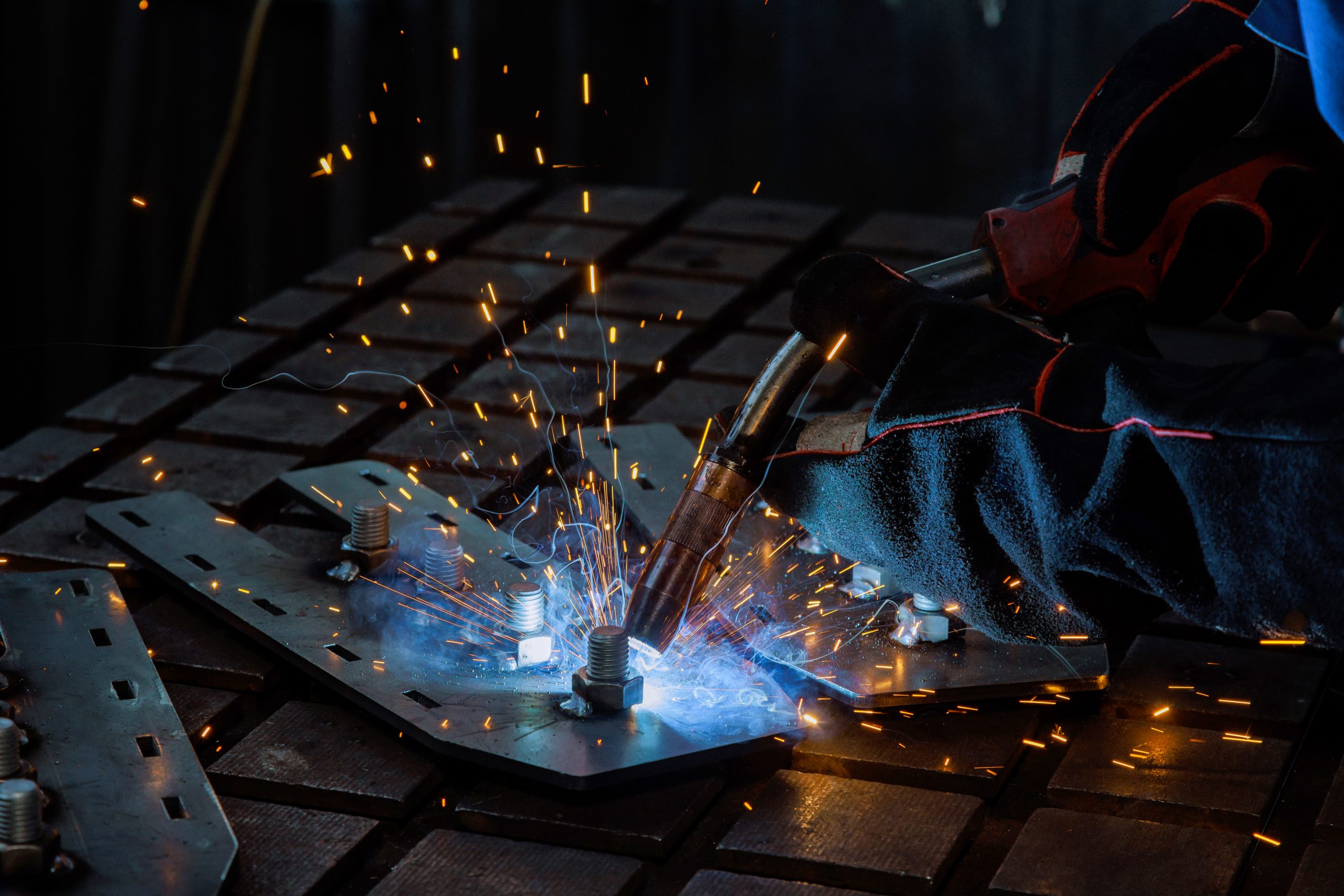
Five weeks of focused, practical training
Welding skill is built through repetition. UHP gives veterans five immersive weeks to learn the fundamentals, build real arc time, receive instructor feedback, and prepare for the expectations of civilian welding environments.
Core Safety & Shop Foundations
Build a foundation in construction safety, welding terminology, equipment, personal protective equipment, and shop procedures.
Cutting & Welding Fundamentals
Practice material preparation, oxyfuel and plasma cutting, machine setup, and foundational welding techniques.
SMAW Skill Development
Build consistency through Shielded Metal Arc Welding practice, including beads, fillet welds, and electrode application.
Structural Applications
Progress into groove welds, open-root practice, structural applications, blueprint reading, and weld-symbol interpretation.
Testing & Career Preparation
Complete mock weld tests, reinforce core processes, prepare for employer conversations, and evaluate next-step opportunities.
Final weekly sequencing may change as the curriculum is completed.
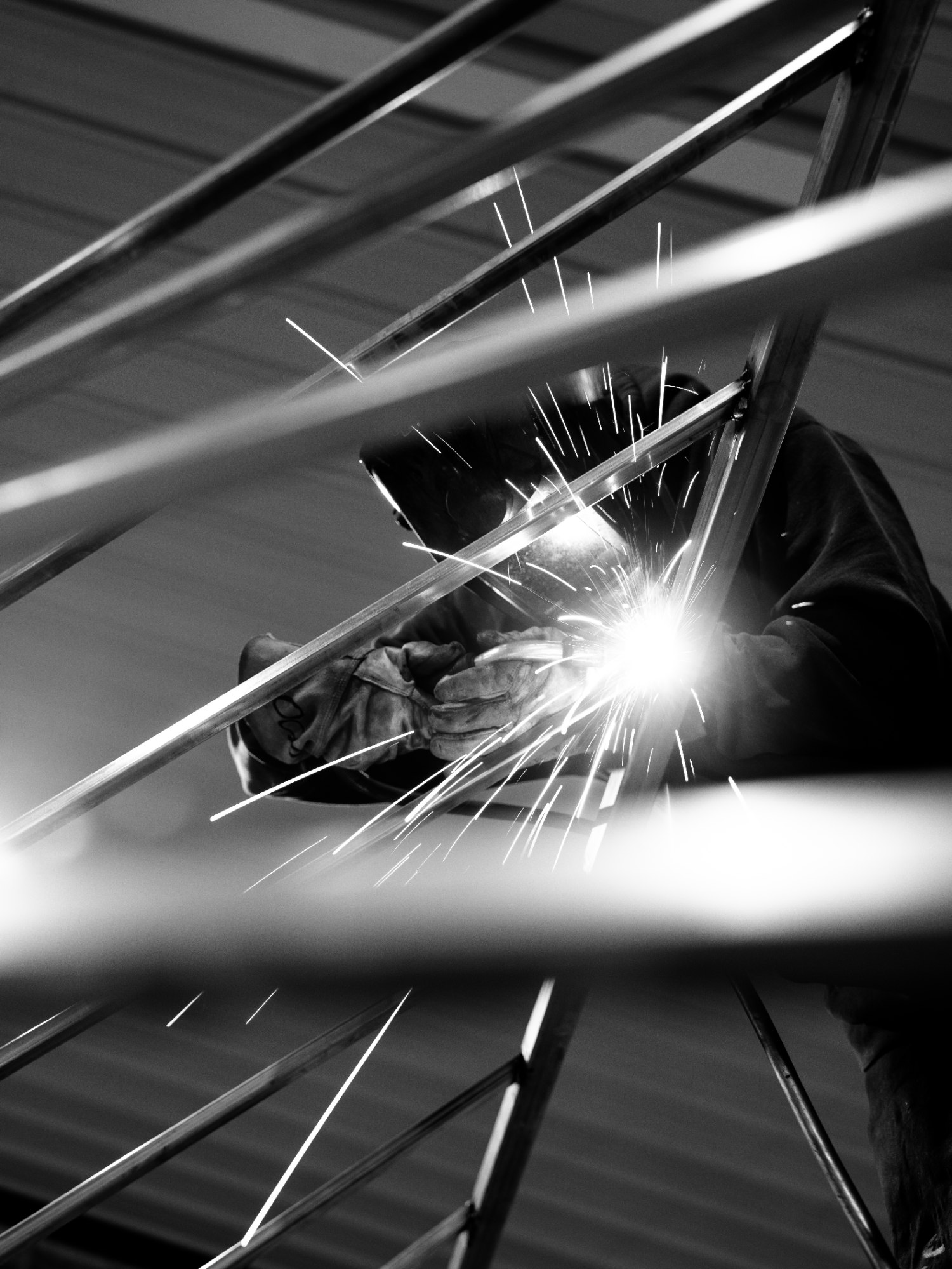
Careers built on welding skills
Welding supports essential work across the fabrication, construction, manufacturing, infrastructure, energy, maintenance, shipbuilding, and repair industries.
Structural Welding
Contribute to the fabrication and joining of structural components used in buildings, infrastructure, and industrial projects.
Manufacturing and Fabrication
Build, assemble, modify, and repair metal components within production and fabrication environments.
Maintenance and Repair
Use welding and metalworking skills to repair equipment, machinery, vehicles, and industrial systems.
Energy and Infrastructure
Support the construction and maintenance of systems and structures used across the energy, transportation, utilities, and public infrastructure spaces.
Career opportunities depend on welding process, experience, qualifications, employer requirements, location, and successful completion of any required weld tests. Program completion does not guarantee employment.
Welding questions, answered
Build skills that hold the work together
Develop welding fundamentals, build real shop experience, and prepare for your next career alongside other veterans.